Off the Radar and Thriving: The Telegram Creator Economy That Twitch Doesn't Know It's Losing
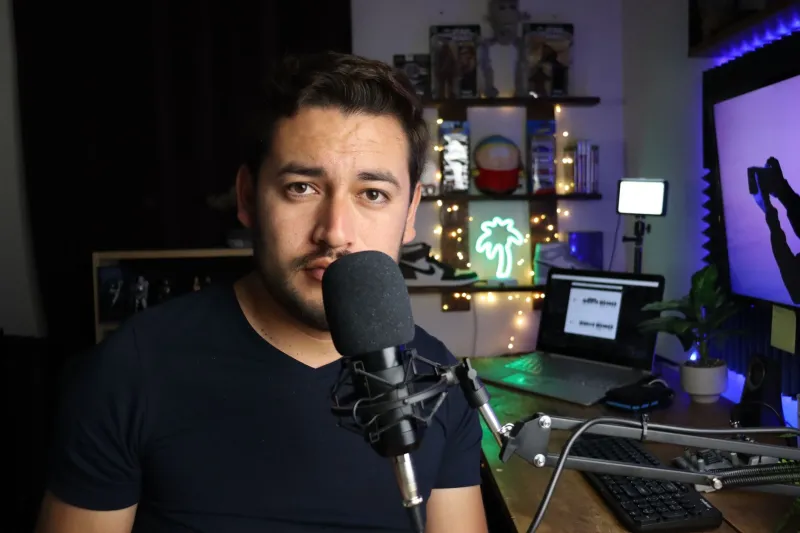
Dylan runs a Telegram gaming channel with 34,000 subscribers. He posts daily — strategy breakdowns, live bet commentary, community tournaments, the occasional hot take on whatever game everyone's talking about. His engagement rate would make most mid-tier YouTube creators cry with envy.
Twitch has never heard of him. Neither has YouTube. And that's exactly how he likes it.
"I tried the traditional route," he said. "I streamed on Twitch for eight months. The algorithm ignored me, the discoverability was brutal, and I was competing against people with professional setups and full-time teams. On Telegram, I just... built a community. It felt different from day one."
Dylan's story is becoming less of an outlier and more of a pattern — and the implications for the traditional gaming creator economy are bigger than anyone in Silicon Valley seems to be paying attention to.
The Platform Problem Nobody's Talking About
Twitch, YouTube Gaming, and their competitors are built on a fundamental assumption: that discoverability is the primary challenge for content creators, and that centralized platforms solve it by connecting creators to audiences they'd never find on their own.
For a long time, that assumption held. The algorithm was the gatekeeper, and the gatekeeper had enormous power.
But discoverability only matters if the creator doesn't already have a community. And increasingly, gaming creators are building those communities somewhere else first — specifically, in the dense, interconnected web of Telegram gaming groups — and then leveraging that audience without ever needing the algorithm's blessing.
The result is a creator class that isn't just platform-agnostic. It's actively platform-resistant.
What Telegram Offers That Twitch Can't
The differences start with ownership. On Twitch, your audience belongs to Twitch. The platform controls reach, monetization terms, and can demonetize or suspend a channel with minimal recourse. Creators who've spent years building followings on traditional platforms understand this vulnerability intimately.
On Telegram, a channel's subscriber list is functionally the creator's own asset. Messages reach subscribers directly — no algorithm deciding whether your latest post deserves distribution. No shadow banning. No sudden policy change tanking your revenue. You post, your people see it, full stop.
That direct line is intoxicating for creators who've been burned by algorithmic volatility. It's also genuinely valuable in ways that are hard to overstate.
"My Telegram audience is smaller than what I had on Twitch," admitted Kira, a gaming creator based in Atlanta who made the migration last year. "But they're way more engaged. They actually respond. They actually show up for events. The conversion rate when I promote anything is night and day."
The Sponsorship Shift
Here's where it gets financially interesting. Traditional gaming sponsorships are built around metrics that traditional platforms can measure and verify — view counts, concurrent viewers, click-through rates on overlay ads. Brands pay for eyeballs, and platforms provide the receipts.
Telegram's private channel model doesn't fit neatly into that framework. Subscriber counts are visible, but deep engagement metrics aren't standardized across the ecosystem. For brands accustomed to the Twitch media kit, Telegram creators can look like a black box.
But some sponsors are starting to figure it out — and the ones who do are finding that Telegram gaming audiences convert at rates that dwarf comparable audiences on traditional platforms.
The reason is community density. A Telegram gaming channel isn't just a place where people passively consume content. It's a place where they actively discuss, debate, participate in group bets, share wins, and commiserate over losses. When a creator they trust recommends something in that context, it lands with the weight of a friend's endorsement rather than a banner ad.
"I did one sponsored post for a gaming peripheral brand," Dylan said. "The brand told me it was the best-performing Telegram activation they'd ever run. I charged a fraction of what a comparable Twitch streamer would charge, and I'll guarantee the results were better."
The Measurement Gap
The challenge — and the opportunity — in this space is measurement. Twitch's creator ecosystem runs on standardized metrics that brands, agencies, and platforms all agree on. Telegram's creator ecosystem runs on trust, community reputation, and results that are often anecdotal rather than dashboarded.
That gap is narrowing. Third-party analytics tools designed specifically for Telegram channel management are proliferating, and some of the more sophisticated gaming communities have developed internal reporting systems that track engagement with surprising granularity.
But the measurement gap also serves a protective function for creators. Because their audiences can't be easily quantified by outside parties, they can't be easily commodified either. The community retains a sense of intimacy and exclusivity that public platforms structurally cannot maintain.
The Migration Nobody's Counting
Traditional streaming platforms track their own metrics obsessively. They know exactly how many hours of content were watched, how many new creators signed up, how many subscriptions were purchased.
What they can't track is what they're losing to ecosystems that operate outside their measurement infrastructure. When a creator quietly shifts their most engaged fans into a Telegram community and starts building there instead, that migration is invisible to the platform's analytics. The creator might still technically have a Twitch account. The audience has already moved.
This is the streaming paradox in its purest form: the audiences that Twitch is losing are the ones it can't see leaving.
What This Means for the Future
The Telegram creator economy is still young and genuinely scrappy. There's no standardized monetization framework, no verified creator program, no official partnership tier. Creators are improvising — combining direct subscriptions, sponsored posts, community tournament fees, and affiliate deals into revenue models that look different for every channel.
That messiness is also its vitality. The absence of a corporate structure means creators experiment freely, communities evolve organically, and the relationship between creator and audience stays genuinely mutual rather than algorithmically mediated.
For platforms like PlayPix, where gaming and community are inseparable, this creator ecosystem isn't a threat — it's an opportunity. The creators building audiences in Telegram's gaming communities are doing exactly what the platform was designed to enable: connecting players, driving engagement, and making the whole experience more fun for everyone involved.
Dylan's 34,000 subscribers would agree. They just won't show up in anyone's quarterly report.